Eco-Friendly Approaches: How E-Waste Recycling Services Are Preserving Our Planet
E-waste represents a considerable hazard to the environment, as abandoned electronic devices commonly carry harmful materials. Such dangerous compounds can pollute soil and water supplies, leading to broader ecological damage. E-waste recycling services present a viable solution. They successfully retrieve useful resources while simultaneously minimizing environmental pollution. Gaining insight into how these programs function and affect local communities is critical. Pursuing efficient e-waste management brings forth pressing questions regarding individual duties and shared responsibility. What measures can be pursued from this point onward?
The Reasons E-Waste Is Damaging to the Planet
Although technology enhances modern life, e-waste creates serious threats to the environment. Disposed electronic equipment, frequently composed of dangerous compounds like cadmium, lead, and mercury, may release harmful substances into the surrounding soil and water supply, presenting dangers to ecosystems and human health. The swift Find out more progression of technology contributes to higher rates of electronics disposal among consumers, worsening the buildup of e-waste.
Landfills, already burdened with waste, struggle to accommodate the growing volumes of discarded gadgets. Incineration, another disposal method, releases harmful pollutants into the atmosphere, contributing to air quality degradation. In addition, improper recycling practices can lead to the exportation of e-waste to developing countries, where laborers may dismantle devices without adequate safety measures, exposing themselves to dangerous substances. This cycle of neglect and improper handling underscores the urgent need for sustainable recycling solutions that can mitigate the adverse effects of e-waste on the planet.
What Is E-Waste and Why Does It Matter?
E-waste, also referred to as electronic waste, comprises discarded electronic devices such as computers, smartphones, and televisions that have reached the end of their useful life. This increasingly prevalent form of waste is important because of its swift buildup, driven by technological advancements and consumer trends. With an increasing number of devices reaching obsolescence, the environmental impact intensifies, with dangerous elements including lead, mercury, and cadmium threatening both ecosystems and public health.
The significance of tackling e-waste extends beyond minimizing these risks to recognizing the valuable resources it holds. Valuable metals and rare earth materials can be extracted and repurposed, lessening the demand for mining and preserving natural resources. Through a deeper awareness of e-waste and its consequences, both individuals and organizations can make well-informed choices regarding disposal and recycling, thereby supporting a more sustainable future. Effective handling of e-waste is vital for encouraging a circular economy and advancing environmental responsibility.
The Way E-Waste Recycling Functions
E-waste recycling entails a systematic process aimed at reclaiming useful resources while limiting ecological damage. To begin, electronic waste is gathered and delivered to dedicated processing centers. Upon arrival, the equipment is meticulously organized to distinguish harmful elements from reusable resources.
Next, specialists dismantle the electronics, separating glass, metals, and plastics. This step is critical, as it facilitates the reclamation of valuable metals like gold, silver, and copper, which can be reused in new electronic devices.
Following this, the divided materials are handled via state-of-the-art techniques, such as shredding and chemical treatments, to purify them for repurposing.
Finally, the remaining hazardous waste is handled with responsibility, adhering to eco-friendly standards. This multi-step approach not only preserves valuable resources but also reduces the dangers connected to unsafe e-waste handling, ensuring a more sustainable future for the consumption of electronics.
Benefits of E-Waste Recycling for You and Your Community
Although it often goes unnoticed, the advantages of e-waste recycling extend beyond personal convenience to positively impact entire communities. By carefully processing electronic waste, individuals contribute to a healthier environment, reducing harmful substances that can seep into soil and water. This responsible method actively safeguards local ecosystems and advances public health.
Moreover, electronic waste recycling supports job creation within communities. Regional recycling centers frequently need staff for various operations, covering everything from collection to processing, consequently creating meaningful employment for community members. This not only enhances the community economy but also inspires community dedication to sustainable efforts.
Furthermore, understanding of e-waste recycling has the potential to generate community outreach programs, equipping residents to make environmentally conscious decisions. By enrolling in e-waste recycling programs, individuals promote a culture of sustainability, encouraging others to follow suit. Ultimately, the shared impact of these actions can contribute to a more sustainable and conscientious community.
How to Choose an E-Waste Recycling Service
Picking the right electronic waste recycling provider is crucial for guaranteeing that e-waste is managed in a responsible and sustainable manner. First, people should confirm the service's credentials, such as e-Stewards or R2, which indicate adherence to professional guidelines for secure waste disposal procedures. It is equally important to evaluate the company's standing by reviewing feedback and seeking referrals from reliable sources.
Furthermore, transparency in the recycling process is vital. A reliable provider should offer detailed insights about how e-waste is processed and what happens to the materials. Furthermore, evaluating the range of services offered can be beneficial; various firms may supply retrieval services or extend benefits for recycling.
Finally, being aware of local guidelines related to e-waste disposal may further shape the selection process. When these considerations are given priority, individuals can contribute to responsible e-waste disposal alongside encouraging eco-friendly habits.
How You Can Take Part in E-Waste Recycling?
Engaging in e-waste recycling often starts at the local level, where local recycling facilities regularly supply essential services for responsible disposal. Additionally, participating in community awareness campaigns can enhance efforts to raise awareness about the importance of proper e-waste handling. These initiatives not only encourage sustainable practices but also foster a collective sense of accountability for the environment.
Regional Recycling Centers
Many community recycling facilities perform an important function in electronic waste recycling, supplying communities with reliable ways to dispose of electronic waste responsibly. These facilities handle a range of digital devices, including old computers, smartphones, and televisions, making certain that hazardous materials are managed safely. Most stations have experienced team members who support individuals in understanding proper disposal practices, underscoring the benefits of recycling compared to landfilling. Furthermore, many centers offer planned drop-off gatherings or set collection days, making participation convenient for residents. By engaging with these local facilities, people help build a circular economy, minimizing ecological impact and fostering sustainable behaviors. Engaging with these centers empowers communities to take action against e-waste pollution effectively.
Community Awareness Campaigns
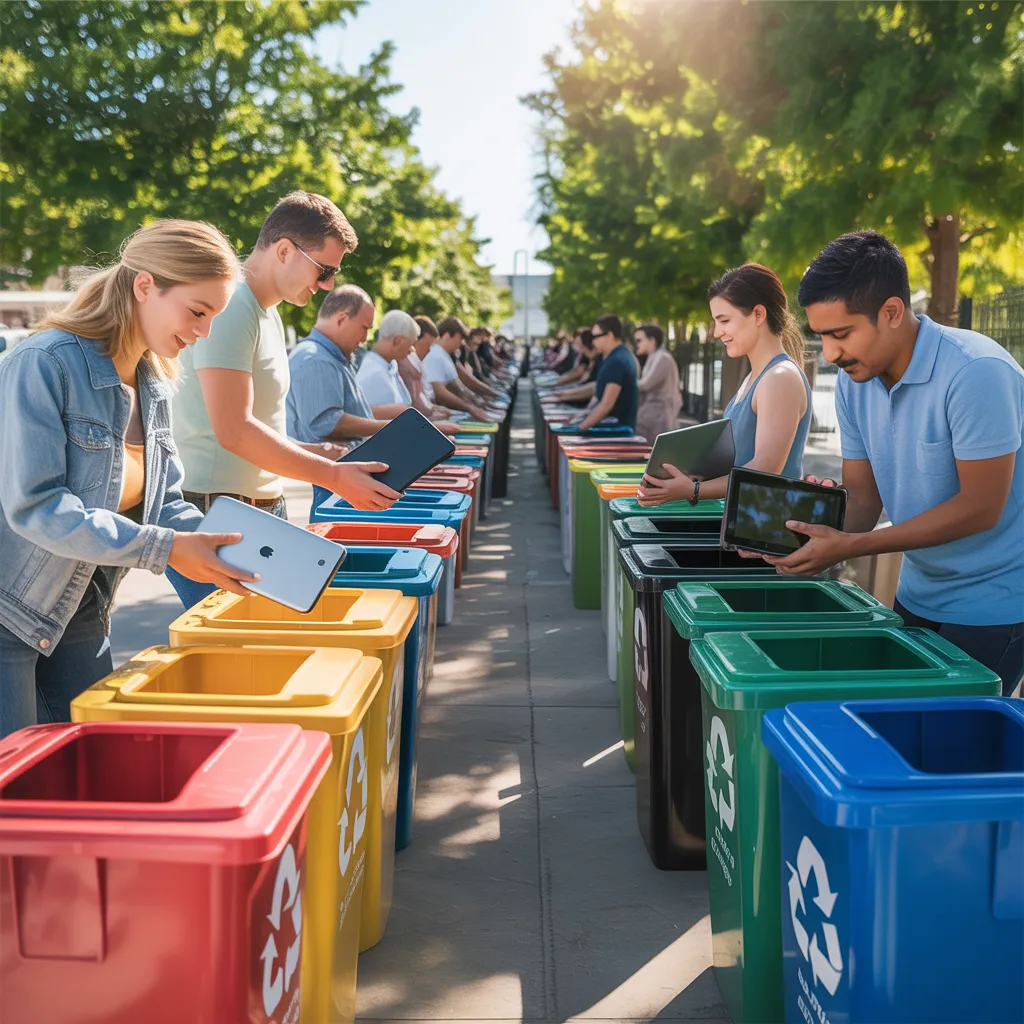
Community groups, educational institutions, and companies can partner to arrange initiatives that encourage e-waste collection drives. Dedicated participants can take a leading part in spreading awareness, distributing educational materials, and engaging with the community. As a result of these combined actions, community members grow more knowledgeable and inspired to dispose of their electronics responsibly, thereby helping to build a greener and more sustainable tomorrow.
Answers to Your Most Common Questions
What Electronic Devices Are Eligible for Recycling?
A wide range of electronics are able to be recycled, including smartphones, computers, laptops, televisions, printers, and gaming consoles. Furthermore, accessories such as batteries, keyboards, and mice are equally appropriate for recycling, contributing to eco-friendly conservation initiatives.
Is There a Cost Associated With E-Waste Recycling?
Indeed, e-waste recycling sometimes comes with fees, subject to the facility. Certain providers charge fees for pickup or handling, while others provide no-cost solutions, often subsidized by the sale of reclaimed components.
What Are the Benefits of E-Waste Recycling for Businesses?
Organizations can gain from e-waste recycling by minimizing disposal costs, enhancing their environmental image, adhering to regulatory requirements, reclaiming useful materials, and potentially generating revenue through resale, thus supporting a greener and more sustainable operational framework.
What Becomes of Data on Recycled Devices?
Details from repurposed devices is frequently completely removed or destroyed during processing. This confirms sensitive information stays protected, stopping improper access while allowing resources to be repurposed securely and sustainably across new manufacturing processes.
Can I Recycle Broken Electronics?
Indeed, non-functioning electronics can be recycled. Numerous collection points take in damaged devices, providing proper disposal and retrieval of precious materials. Doing so helps minimize the environmental footprint while fostering sustainable recycling habits to control electronic waste efficiently.
Comments on “Expert Insights to Electronics Recycling Services”